
Missed sales opportunities often point to a broken or non-existent pipeline. Deal information isn’t housed in a central location, so follow-ups fall through the cracks and context gets lost. Reps don’t have the data they need to turn leads into closed sales.
But to create a pipeline that works, reps need to map every deal with clear stages and owners, so no one has to chase updates and dig for context.
This step-by-step guide covers how to build a sales pipeline and recommends tools that support your process, taking your team’s time back from busywork.
1. Master the sales pipeline fundamentals
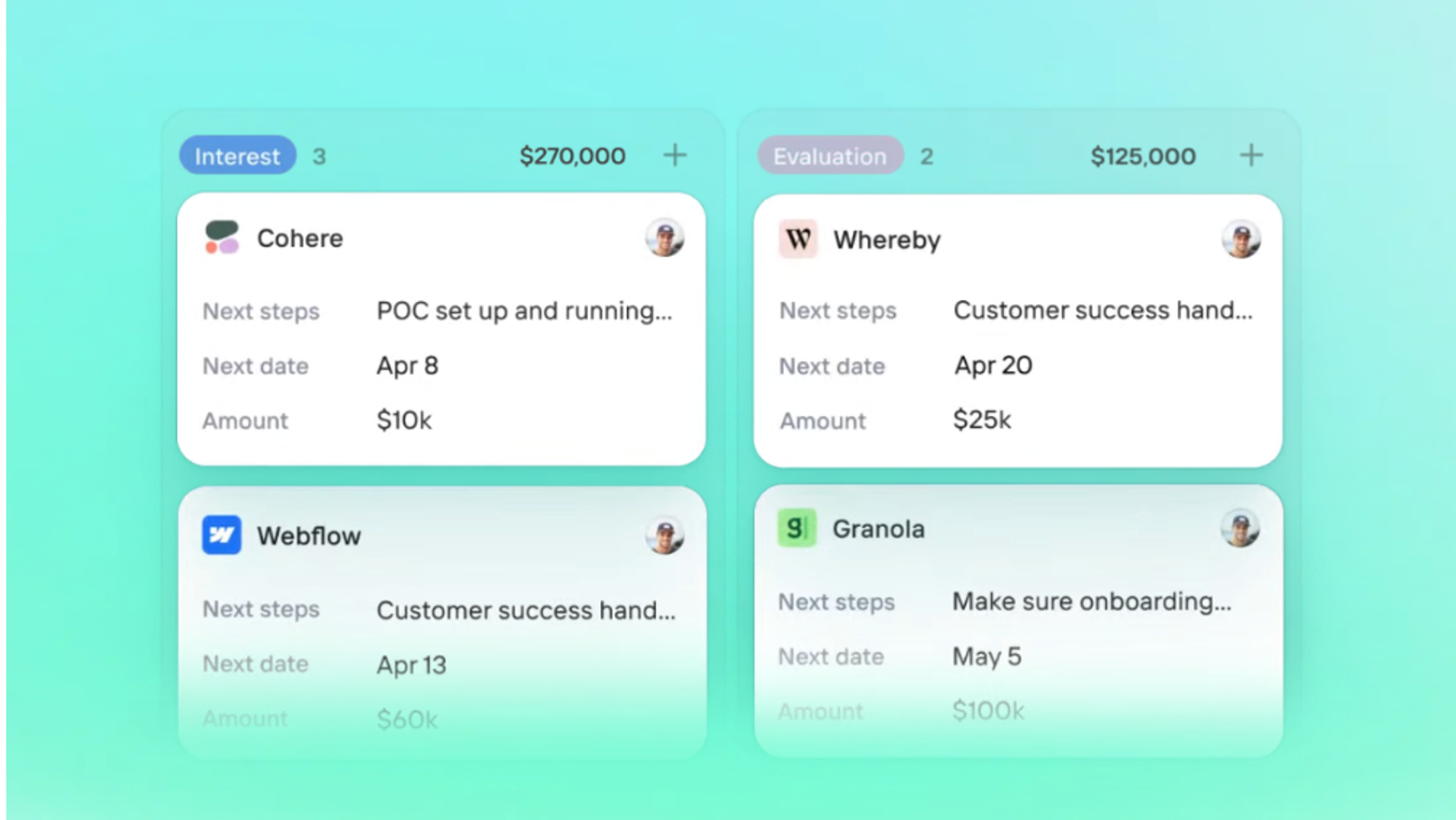
A sales pipeline is a visual mechanism, such as a Kanban board or Customer Relationship Management (CRM) dashboard, that tracks deals through defined stages.
The pipeline links each stage, from first contact to close, to concrete sales activities and status changes like outreach responses and qualified or unqualified leads. This visibility lets your team quickly see where deals are in the process and act on next steps.
Pipeline vs funnel vs process: What’s the difference?
“Pipeline,” “funnel,” and “process” are often used interchangeably, but they aren’t synonymous. Each term refers to a different process or view. Here’s more.
- A sales pipeline improves day-to-day deal management by presenting all active and historical deals in one place.
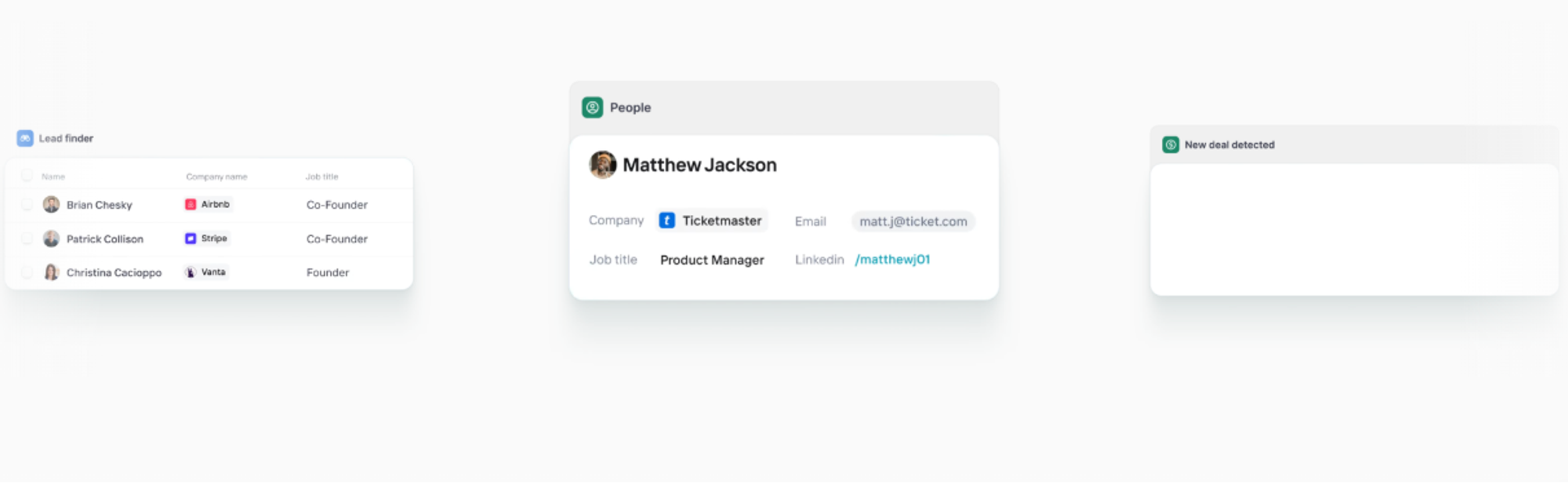
- A sales funnel supports conversion analysis and optimization by highlighting the different stages your prospective buyers typically go through, from target or lead to client and advocate.
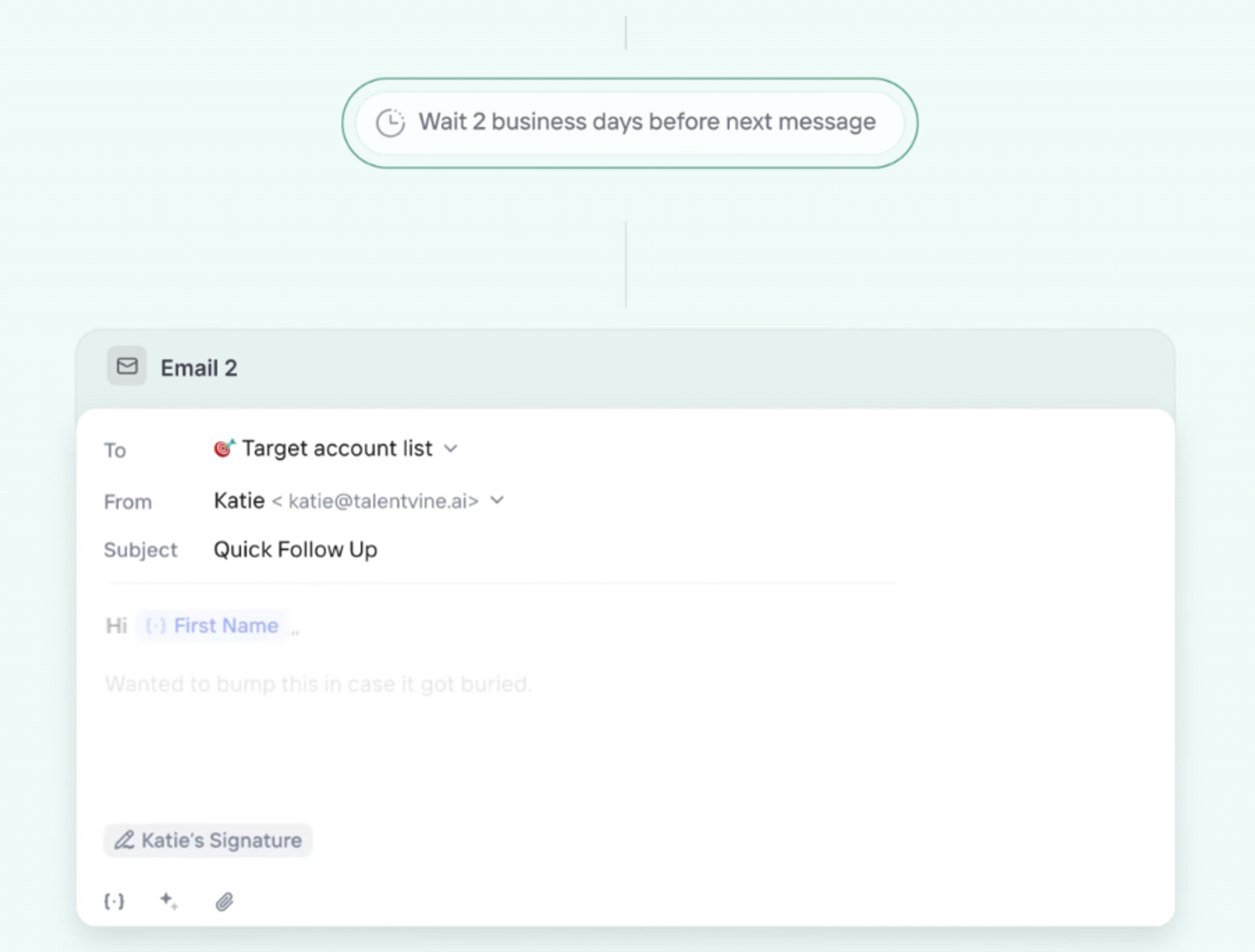
- A sales process aids quick execution by outlining your reusable customer engagement frameworks, such as outreach templates and post-close SOPs.
These three sales workflow visualizations work hand in hand to ensure seamless deal nurturing and an eventual close.
2. Prep your pipeline framework
Turn theoretical sales pipeline fundamentals into realistic, usable deal stages with the following four frameworks:
- A defined Ideal Customer Profile (ICP) and buyer personas for focused lead generation and outreach. E.g., SaaS founders based in San Francisco with 500+ employees.

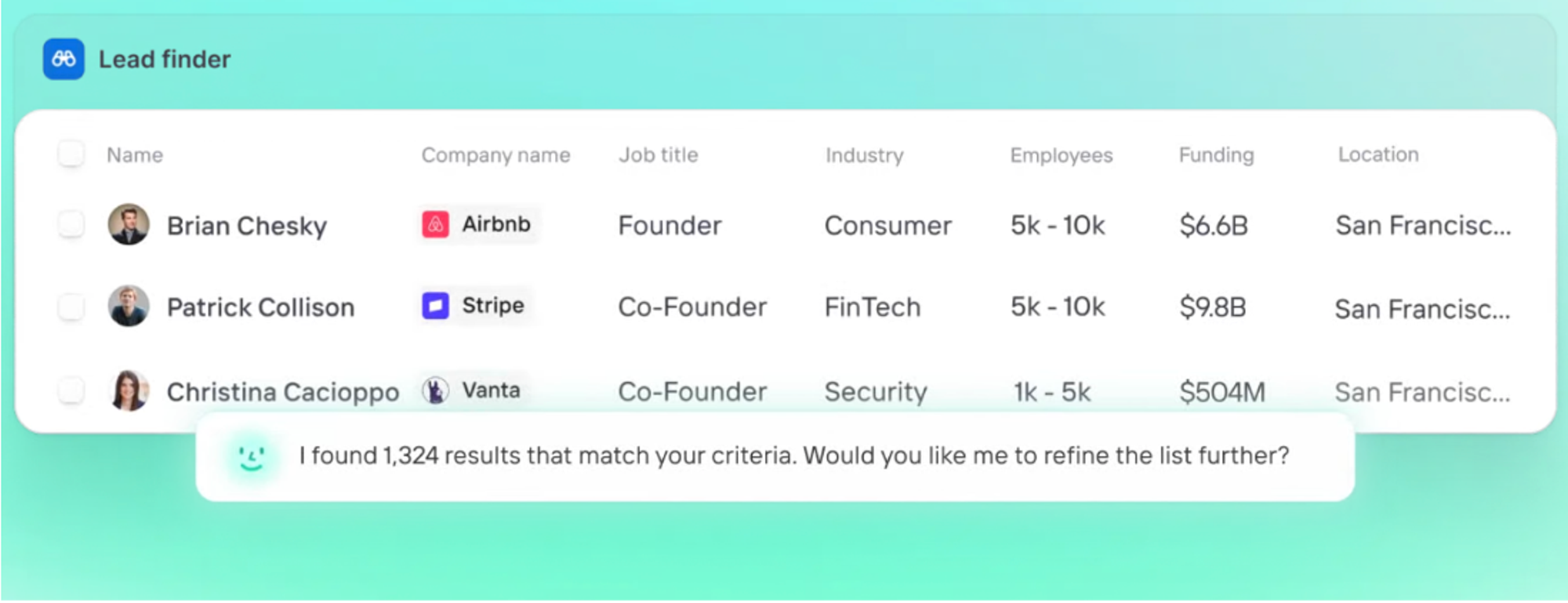
- A sourced prospect list that matches your ideal buyers, which you can curate manually or with a dedicated tool like Clarify’s Lead Finder.
- A documented sales process, with aspects like lead qualification criteria and nurturing workflows, that move contacts from first touch to close.
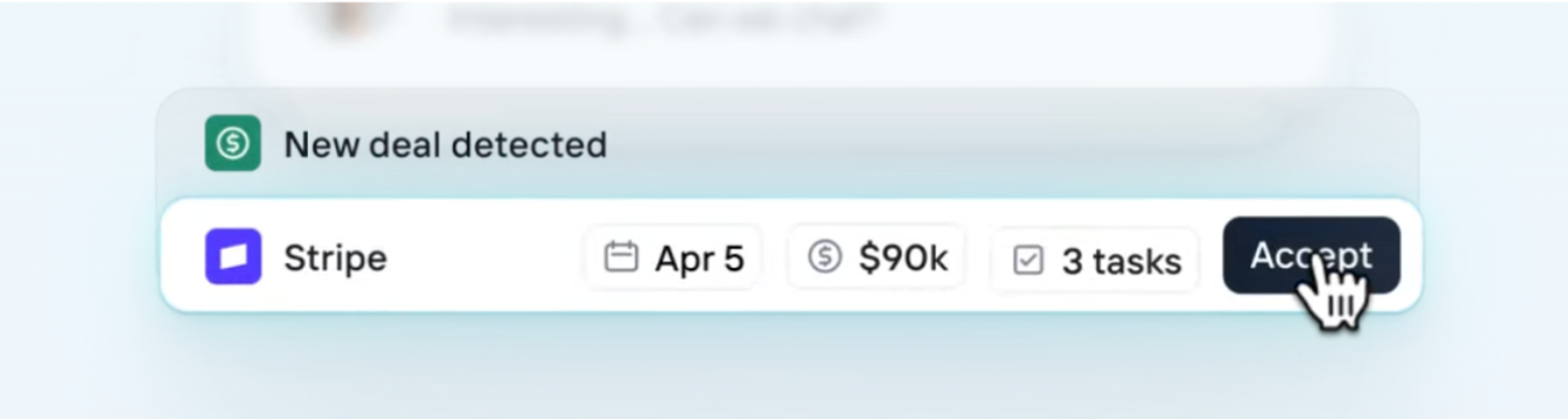
- Scheduled internal and external alignment calls, including outreach and follow-ups, to drive stakeholder buy-in and forecast accuracy.
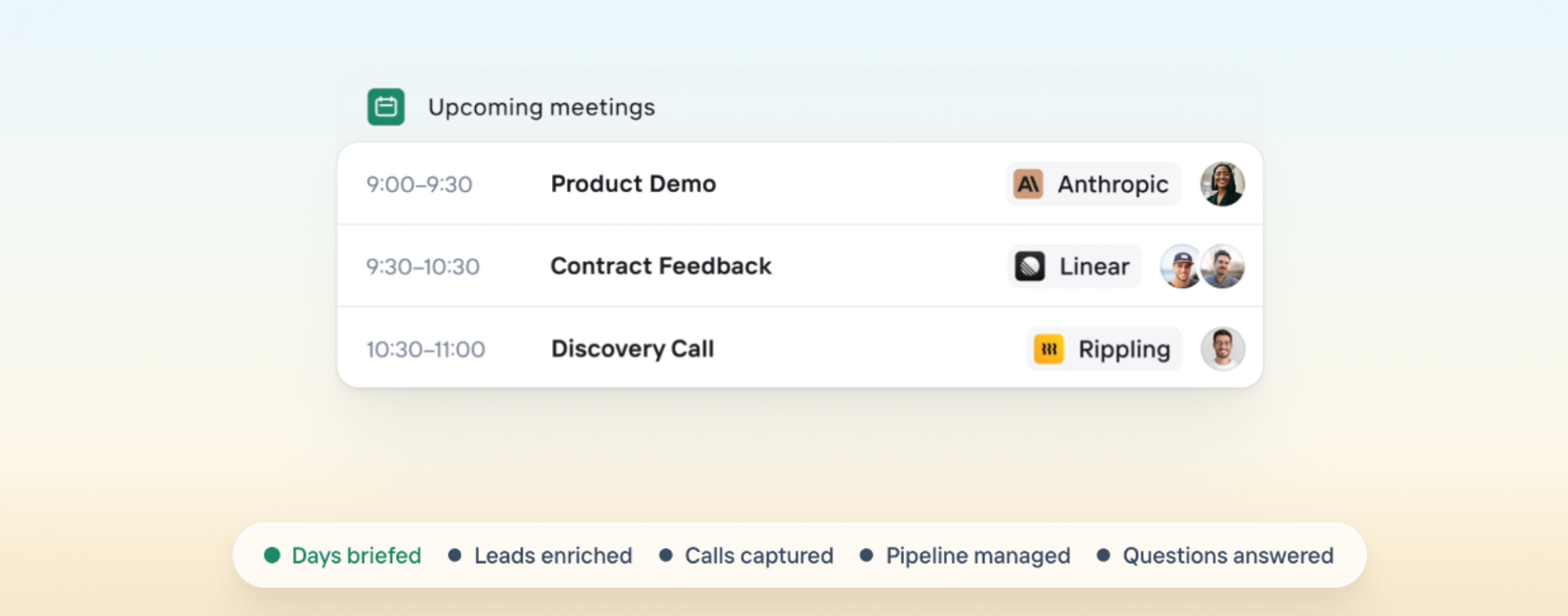
These frameworks ensure your pipeline reflects actual sales workflows and supports smooth deal progression.
3. Define your core sales pipeline stages
Defined sales pipeline stages aid easy deal flow tracking and analysis. And while there’s no universally right number of sales pipeline management stages, teams often settle on five to eight. The key is to align each phase with real-world selling motions that match your typical sales strategy and the complexity of your industry or product.
A practical 7-stage sales pipeline model
Use this model as-is or tweak it to fit your exact context:
- Prospecting: Identify potential buyers that meet basic ICP criteria through lead sourcing, then build your list accordingly.
- Qualification: Decide accounts that are worth pursuing through lead scoring and enrichment.
- Initial contact: Engage prospects for the first time through outbound outreach (cold emails or LinkedIn DMs).
- Discovery: Once the prospect responds, learn their pain points and gauge buying intent through sustained communication. This is also where you’ll map other stakeholders to loop in.
- Meeting: Present your solution through a product demo or tailored walkthrough. Answer live questions and send a custom proposal after.
- Negotiation: Address objections and agree on terms. Discuss pricing and go through legal or procurement reviews.
- Closing: Finalize the deal as either won (contract signing and payment processing) or lost (no way forward).
If you run a lightweight company or an SMB, combine early-stage activities like prospecting and qualification to simplify workflows. For complex enterprise sales, split later stages into separate meetings (demos, alignment calls) and negotiation phases (pricing, procurement) to reflect long sales cycles with multiple stakeholders.
Post-close customer engagement: Follow-ups, retention, and recycling cold leads
Winning or losing a deal is never the end, just a different beginning. Retain and expand won accounts through ongoing engagement and follow-ups, and revisit cold or lost leads after a rest period.
Common post-close processes include:
- Post-sales follow-up: Onboard the customer and confirm key details, such as goals, timelines, stakeholders, and next steps.
- Retention and expansion: Sustain customer engagement to flag issues early and find cross or upsell opportunities. Here, you can also track renewal signals and identify potential referral partners.
- Re-engaging past leads: Reconnect with cold or “not now” leads—with new context or custom offers—to re-qualify them and get them back into the active pipeline.
Choose whichever combination of post-close processes best aligns with your buyer’s journey, and adjust it as needed.
4. Build your lead qualification and nurturing process
Lead qualification is the fit (and readiness) checkpoint that prevents pipeline bloat and wasted rep effort.
Teams often separate high-priority sales-qualified leads from poor-fit or not-ready leads using a mix of ICP alignment and structured criteria. Once you flag a cold lead, remove the account from your active pipeline or save it on a future callback list, and set reminders so it doesn’t fall off your radar. Here are a few ways to measure the health of leads.
Qualification frameworks and scoring (BANT + ICP fit)
A few quality leads beat a high number of bad fits and boost forecast accuracy. Rank and shortlist sourced leads using any of the following lead scoring and qualification frameworks.
- BANT: BANT stands for budget, authority, need, and timeline, and is best for high-volume sales because it filters out leads that won’t be able to commit due to key limiters like a lacking budget. With these filters, sales reps can quickly turn their efforts away from deals that won’t progress.
- CHAMP: CHAMP is the acronym for challenges, authority, money, and prioritization, and is a good methodology for B2B SaaS sales teams because it leads with the issues reps are likely to encounter, encouraging them to drive the sales conversation around tackling a key pain point for the client.
- Lead scoring: This method works best for large volume sales workflows because scoring speeds up the prioritization process, weeding out unlikely-to-close leads early.
- ICP checklist: An ICP checklist works well for sales teams that want to make processes more consistent, applying identical criteria to all leads and mitigating the risk for gut-instinct decision-making.
You don’t have to pick just one method; a simple lead score can combine both BANT signals and ICP attributes, for example.
Nurture sequences for new and cold leads
Nurture potential customers, from initial contact or re-engagement to final close, by:
- Segmenting them by ICP and readiness
- Picking primary outreach and sales conversation channels based on customer preference (email, phone call, LinkedIn DM, etc.).
- Personalizing messaging to pain points and goals.
- Sharing relevant content and capturing feedback through active listening.
- Setting SLAs for responsiveness and handoffs.
- Recycling cold leads into a scheduled follow-up loop and periodically assessing BANT.
You can nurture your leads manually, but it’ll take time you could be spending on high-quality touches. This is where an AI sales agent like Clarify’s Rep shines. Rep handles busywork like meeting plans and pipeline updates, while you focus on closing hot deals.
5. Track your key pipeline metrics and set up forecasting
Sales pipeline metrics translate daily deal activity into evidence-based forecasts, working backward from actual revenue targets to the deal volume and conversion rates each stage needs.
But beyond forecasts, founders and sales reps must track the following metrics weekly to see and optimize pipeline health:
- Average deal size: Total revenue divided by the number of closed deals
- Sales cycle length: How long it typically takes to move a deal from first contact to close
- Win rate: The share of deals you successfully convert into customers
- Deal value closed: The total revenue you’ve won over a given period
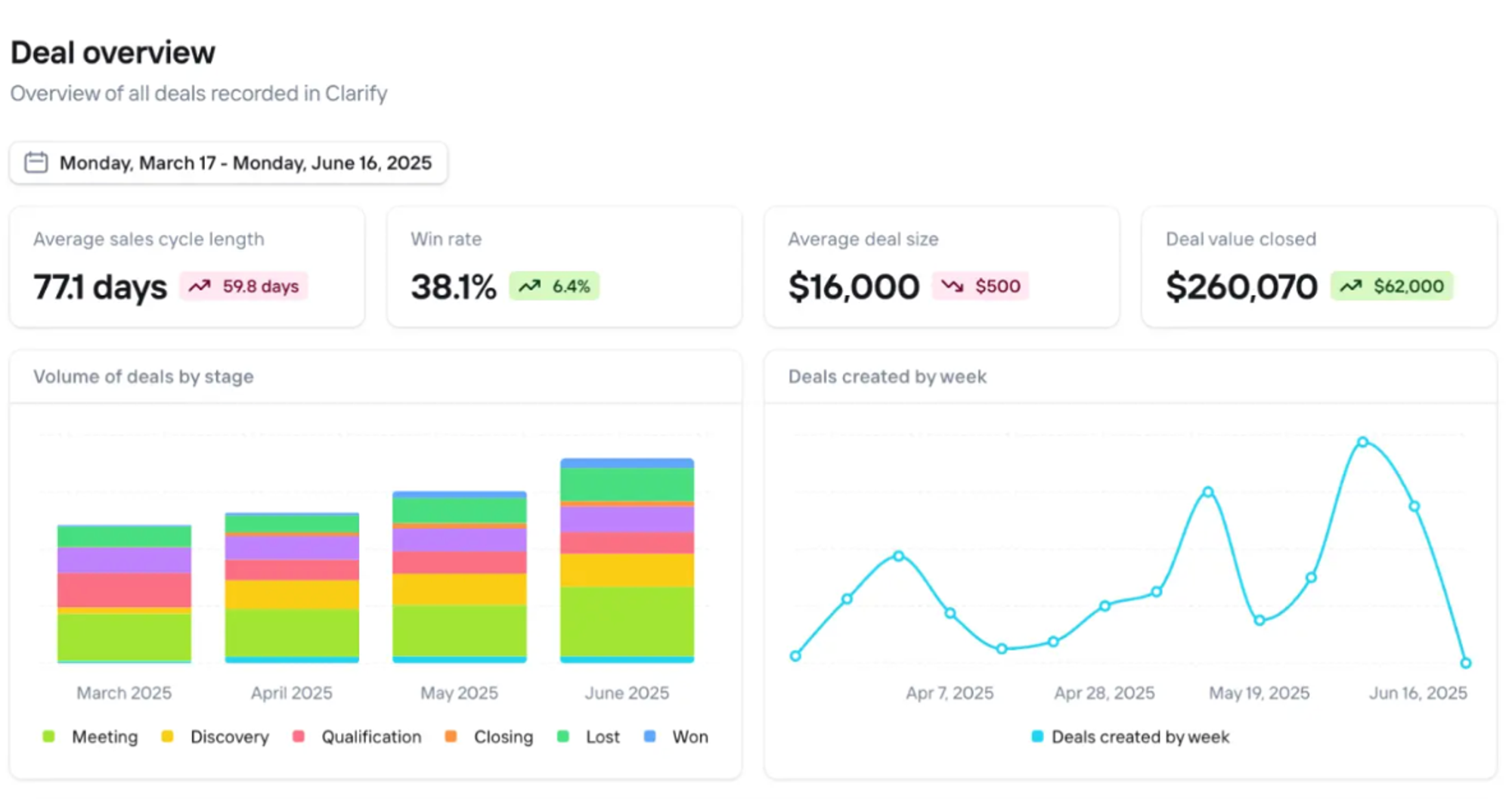
Other metrics also worth tracking include pipeline velocity and coverage, as they indicate efficiency and flag stages that need optimization (e.g., improved sourcing or more rigorous qualification).
A strong sales pipeline built on up-to-date CRM data ensures accurate sales forecasts by helping you:
- Confirm active deals and their current stages.
- Apply stage-to-stage conversion assumptions and average deal size.
- Account for average sales cycle length and deal aging.
- Sanity-check sales targets and predictions against pipeline coverage and historical performance.
Autonomous CRMs like Clarify auto-populate key deal inputs, so you can simply review them for accuracy.
6. Choose your CRM and sales tools
The right CRM and sales tools prevent tech stack bloat and boost efficiency. Build a lean but effective sales pipeline with a CRM, like Clarify, as the primary customer record system, with a few supporting tools for more functionality.
Here are some add-ons to consider.
Integrations and communication workflows
Sales professionals often connect communication and business tools to their CRMs to sustain consistent pipeline activity across channels. For example, a team might integrate its CRM with:
- LinkedIn: For enriching contacts as you browse LinkedIn in real time.
- Zoom: For scheduling calls and hosting live meetings.
- Amplitude: For supporting retention and re-engagement through product analytics and user behavior insights.
- Slack: For sending instant pipeline updates to native team communication channels.
- Stripe: For incorporating payment processing, contract management, and sales revenue data.
- Zapier: For connecting with thousands of other apps that enable async video messaging, outreach, qualification, sales presentations, brand education, and negotiation.
Integrating a CRM with these tools unlocks critical automation and analytics capabilities (e.g., stale-stage alerts and automated follow-up prompts) that improve pipeline efficiency.
7. Outline your pipeline review and optimization workflow
Defining the pipeline review and optimization workflow early on helps managers and founders run periodic audits (weekly or biweekly) without missing a beat.
Use this step-by-step workflow to conduct regular pipeline reviews:
- Perform CRM hygiene: Remove or park stale deals, as this data shouldn’t play into your projections and can damage forecast accuracy.
- Check pipeline distribution: Assess how deals are distributed across the pipeline. If you have a high concentration of deals sitting in one place, figure out why they stall at this point in the process.
- Analyze key metrics: Track essential KPIs like conversion rates or sales cycle length to assess the health of your sales workflow. Run analytics against internal historical and external benchmarks to compare how your pipeline stacks up.
- Assess lead-source quality: Trace fast-moving and closed-won deals back to their sources. Did these deals have a core quality in common? What was it, and why did it contribute to a successful sale? Reallocate sales efforts to leads that have similar characteristics.
- Move stuck deals along: Assign actions such as coaching and escalation for stuck deals, and set what will be measured in the next review to monitor improvement.
Common bottlenecks and targeted fixes
Teams typically face the following sales pipeline bottlenecks. Here’s how to optimize them.
- Qualification stalls and low conversion rates: Tighten qualification criteria and lead scoring, and clarify stage definitions.
- Negotiation delays and long time-in-stage: Map approval flows, introduce flexible pricing, and create an escalation path.
- Post-proposal silence and poor pipeline velocity: Enforce and automate a follow-up cadence. Also, ensure reps have adequate conversion collateral (data sheets, webinars, one-time incentives).
Clarify: A CRM that updates your sales pipeline automatically
Deals are the lifeblood of successful businesses, and scaling teams often need standard sales workflows to generate the volume required for sustained revenue.
A sales pipeline is one of such workflows, and Clarify helps it run autonomously. No manual data entry. No scrambling for context. And no time wasted on busywork. Your team can focus on closing.
Try Clarify for free and see how an autonomous CRM helps you build a healthy sales pipeline that ensures you never drop a lead.
Keep Reading
Sales pipeline for small business: How to build & manage one
Startup sales pipeline: How to build, manage, and optimize
The sales cycle, stage by stage: Where it breaks and how to fix it
How to choose the best deal stages in small business
Revenue operations: Key tasks, problems, metrics, and tools
How to keep your founder-led sales process organized